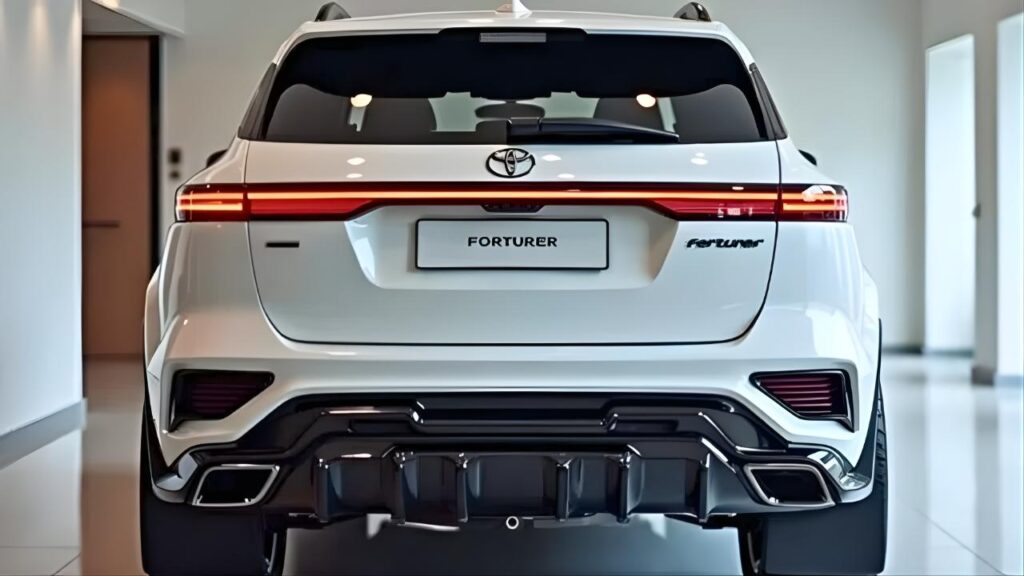
The Toyota Prado 2026 arrives as a strong evolution of a globally trusted SUV, combining rugged capability with modern efficiency and technology. One of the biggest talking points around the new Prado is its engine lineup, especially the choice between the proven 2.8L diesel engine and the newer 2.4L hybrid petrol powertrain. Both engines cater to different driving needs and lifestyles, making the decision an important one for potential buyers. This detailed comparison explores performance, efficiency, driving experience, and practicality to help you choose the right engine for your needs.

Overview of the Toyota Prado 2026
The 2026 Toyota Prado continues to build on its reputation as a reliable and capable SUV designed for both on-road comfort and off-road adventure. With a bold exterior design, upgraded interior, and advanced safety features, the Prado appeals to families, long-distance travelers, and off-road enthusiasts alike.
Toyota has focused on improving efficiency and reducing emissions without compromising durability. The introduction of a hybrid petrol option alongside the traditional diesel reflects this strategy, giving buyers more flexibility than ever before.
2.8L Diesel Engine Explained
The 2.8L diesel engine is a familiar and trusted option for Prado buyers. Known for its strong torque output, this engine is particularly well-suited for heavy-duty tasks such as towing, off-roading, and long highway drives with a full load.
Diesel engines traditionally excel at low-end torque, and the 2.8L unit delivers power smoothly and confidently. This makes it ideal for steep climbs, rough terrain, and situations where pulling power matters most. Its proven reliability also makes it a favorite among buyers who prioritize long-term durability and performance in challenging conditions.

2.4L Hybrid Petrol Engine Explained
The 2.4L hybrid petrol engine represents Toyota’s move toward more sustainable and fuel-efficient powertrains. This setup combines a petrol engine with an electric motor to deliver a balance of performance and efficiency.
The hybrid system offers smoother acceleration and quieter operation, especially in city driving. Electric assistance helps reduce fuel consumption and emissions, making this option attractive for buyers who spend more time on paved roads and in urban environments. The hybrid also reflects Toyota’s extensive experience in electrification, offering confidence in long-term usability.
Performance Comparison on Road
When it comes to on-road performance, both engines offer distinct driving experiences. The 2.8L diesel feels strong and confident, particularly at lower speeds and during overtaking on highways. Its torque-heavy nature makes acceleration feel steady rather than aggressive.
The 2.4L hybrid petrol, on the other hand, delivers a more refined and responsive feel. The electric motor provides instant torque, resulting in smoother take-offs and quieter cruising. For daily commuting and city driving, the hybrid offers a more relaxed and modern driving experience.
Off-Road Capability and Terrain Handling
Off-road performance is where the diesel engine traditionally shines. The 2.8L diesel’s high torque output at low revs makes it ideal for rock crawling, muddy trails, and steep inclines. It pairs well with four-wheel-drive systems and low-range gearing, offering confidence in extreme conditions.

The 2.4L hybrid petrol is capable off-road as well, but its strengths lie more in light to moderate off-road use. While it can handle gravel roads, sand, and uneven terrain, hardcore off-roaders may still prefer the diesel for its predictable power delivery and mechanical simplicity.
Fuel Efficiency and Running Costs
Fuel efficiency is a key factor for many buyers, and this is where the hybrid petrol engine gains an advantage. The 2.4L hybrid is designed to reduce fuel consumption, especially in stop-and-go traffic and urban driving. Regenerative braking and electric assistance help improve overall efficiency.
The 2.8L diesel, while efficient for its size and capability, typically consumes more fuel in city conditions. However, on long highway drives and towing situations, diesel efficiency remains competitive. Running costs will also depend on fuel prices and maintenance preferences in different regions.
Maintenance and Long-Term Ownership
Diesel engines are known for their durability, and the 2.8L unit has a strong track record in various Toyota models. It is well-suited for high-mileage use and demanding conditions, making it a solid choice for long-term ownership.
The hybrid petrol engine introduces more complex technology, including electric components and battery systems. Toyota’s experience with hybrids provides reassurance, but maintenance and repair costs may vary depending on local support and warranty coverage. For buyers focused on simplicity, the diesel may feel more familiar and reassuring.

Environmental Impact and Emissions
Environmental considerations are becoming increasingly important, and the 2.4L hybrid petrol clearly leads in this area. Lower emissions and reduced fuel consumption make it a more eco-friendly option, especially for urban drivers.
The 2.8L diesel, while efficient, produces higher emissions compared to the hybrid. However, modern diesel technology has improved significantly, and it remains a practical choice for buyers who prioritize capability over environmental impact.
Which Engine Should You Choose
Choosing between the 2.8L diesel and the 2.4L hybrid petrol ultimately depends on how you plan to use your Toyota Prado 2026. If your lifestyle includes frequent off-road adventures, towing, or long-distance travel in rugged conditions, the diesel engine is likely the better fit.
If you primarily drive in the city, value smooth and quiet operation, and want better fuel efficiency with lower emissions, the hybrid petrol engine makes a strong case. It offers modern performance with a focus on sustainability and comfort.
Final Verdict on the Toyota Prado 2026 Engines
The Toyota Prado 2026 offers two excellent engine choices, each designed to meet different needs. The 2.8L diesel stands out for its strength, reliability, and off-road prowess, while the 2.4L hybrid petrol shines in efficiency, refinement, and environmental friendliness.
Rather than one engine being better than the other, the real advantage lies in having the choice. Toyota has ensured that whether you prefer traditional power or modern hybrid technology, the Prado 2026 delivers a capable, comfortable, and dependable SUV experience tailored to your driving style.